

2026 Campaign Energy Around Sprouts as “Nutrient-Dense Functional Foods” (Consumer Education Demand)
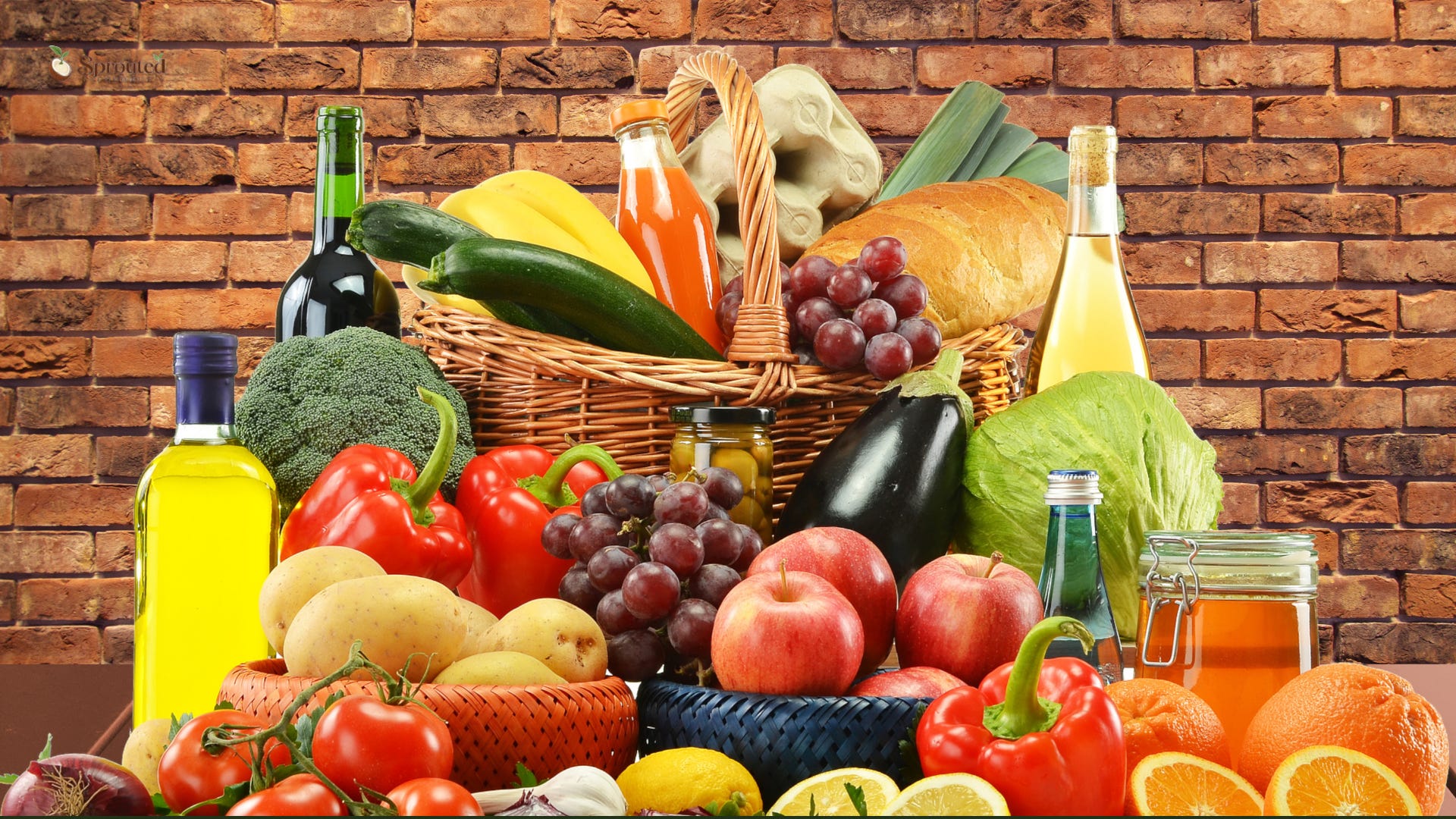
In 2026, functional food interest is hitting a new level, and 19,235 article views tied to research on nutritional enhancement of plant-based foods shows consumers are actively looking for proof, not promises.
Key Takeaways
What’s driving 2026 campaign energy
Demand for sprouts and other nutrient-rich formats as “nutrient-dense functional foods,” where education matters.
Why consumers ask more now
They want nutrient density in food, like magnesium dense food and calcium dense food, plus clear fiber and protein expectations.
What to look for on packs
Nutrition panels that support claims, ingredient clarity, and practical serving guidance.
Best “starter” mindset
Start small, taste, then build a routine around foods dense in protein and fiber dense foods.
How we share education
we focus on what is in the box, how to use it, and customer questions, because we want your satisfaction.
Sprouts fit the “nutrient-dense functional foods” story when campaigns explain nutrient density in food in plain language.
2026 consumers compare calcium dense food, magnesium dense food, and foods dense in protein, not just “healthy” claims.
Fiber and digestion are core because buyers look for fiber dense foods and steady energy, not spikes.
Organic and clean-label credibility matters, so ingredient lists and sourcing narratives get attention.
Functional fresh food routines win, especially when you can prep quickly and stay consistent.
And our baseline promise remains simple, “Your Satisfaction, Our Mission.”
Consumer demand for nutrient-dense functional foods drives projected market expansion.
Why 2026 campaign energy is building around sprouts (and what people mean by “nutrient-dense functional foods”)
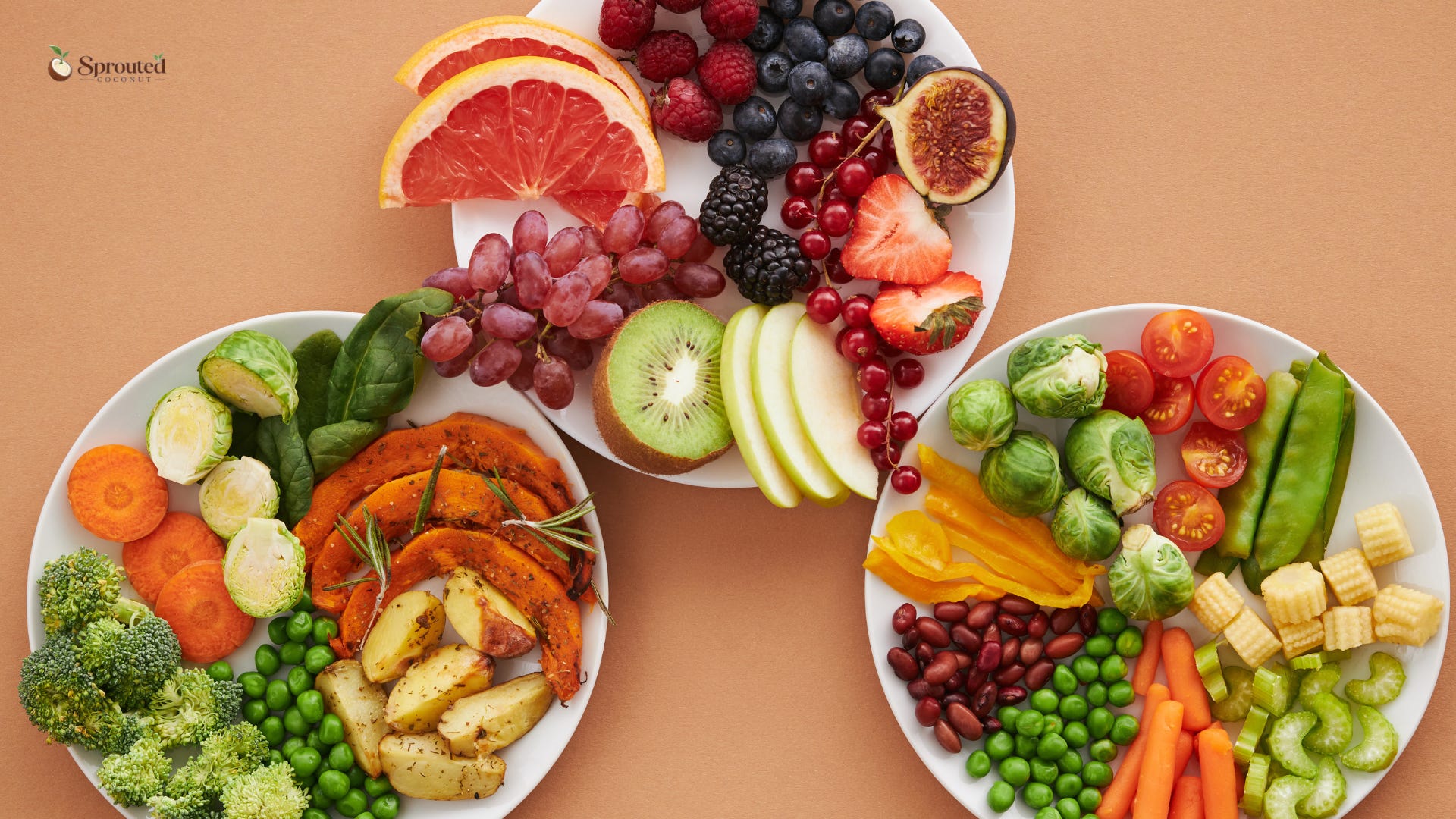
In 2026, “nutrient-dense functional foods” is no longer just a slogan. It’s a checklist in consumers’ heads, and sprouts are showing up because they’re positioned as a practical way to add nutrients without making meals complicated.
When we see interest rise around 2026 campaign energy around sprouts as “nutrient-dense functional foods” (consumer education demand), it’s usually tied to three real questions. First, are sprouts actually nutrient rich? Second, do they help people build routines for digestion, energy, and daily consistency? Third, can brands explain nutrient density in food in a way that feels usable, not confusing?
What shoppers search for next
That education demand maps closely to common research cluster topics, like:
nutrient dense foods and nutritionally dense foods
foods dense in protein and most protein dense foods conversations
magnesium dense food and calcium dense food
fiber dense foods for digestion and fullness
nutrient density in food explained with numbers and serving sizes
Sprouts help brands speak to all of that, especially when campaigns stay specific about what the consumer gets per serving, and how it fits into real meals.
Best for consumer clarity: nutrient density, not hype
2026 education demand is pushing brands to get practical. The most effective campaigns define nutrient density in food, then connect it to outcomes that people actually feel in day-to-day life.
To us, that means clear nutrition information, plus plain-language guidance. It also means being honest about variation. Even within nutrient-dense formats, results depend on how you store, prep, and eat them.
How to interpret “nutrient-dense” claims
When a campaign says “nutrient-dense functional foods,” the consumer usually wants answers like:
Which nutrients are emphasized (for example, minerals like potassium and magnesium dense food conversations)?
What is the functional angle (digestion support, fullness, energy)?
How much do I need to eat to notice it (serving size guidance)?
Does it support goals like nutrient dense foods for weight loss or nutrient dense foods for weight gain?
And because shoppers often compare across categories, sprouts are frequently evaluated against other “nutrient calorie dense foods” or “calorie and nutrient dense foods” options. The key is to communicate what you offer without implying everything is identical.
Did You Know?
42.7% revenue share of food and beverages in the functional superfood market is tied to products designed to enhance nutritional profiles.
Best for shoppers comparing protein and minerals: where sprouts fit next to other nutrient-dense foods
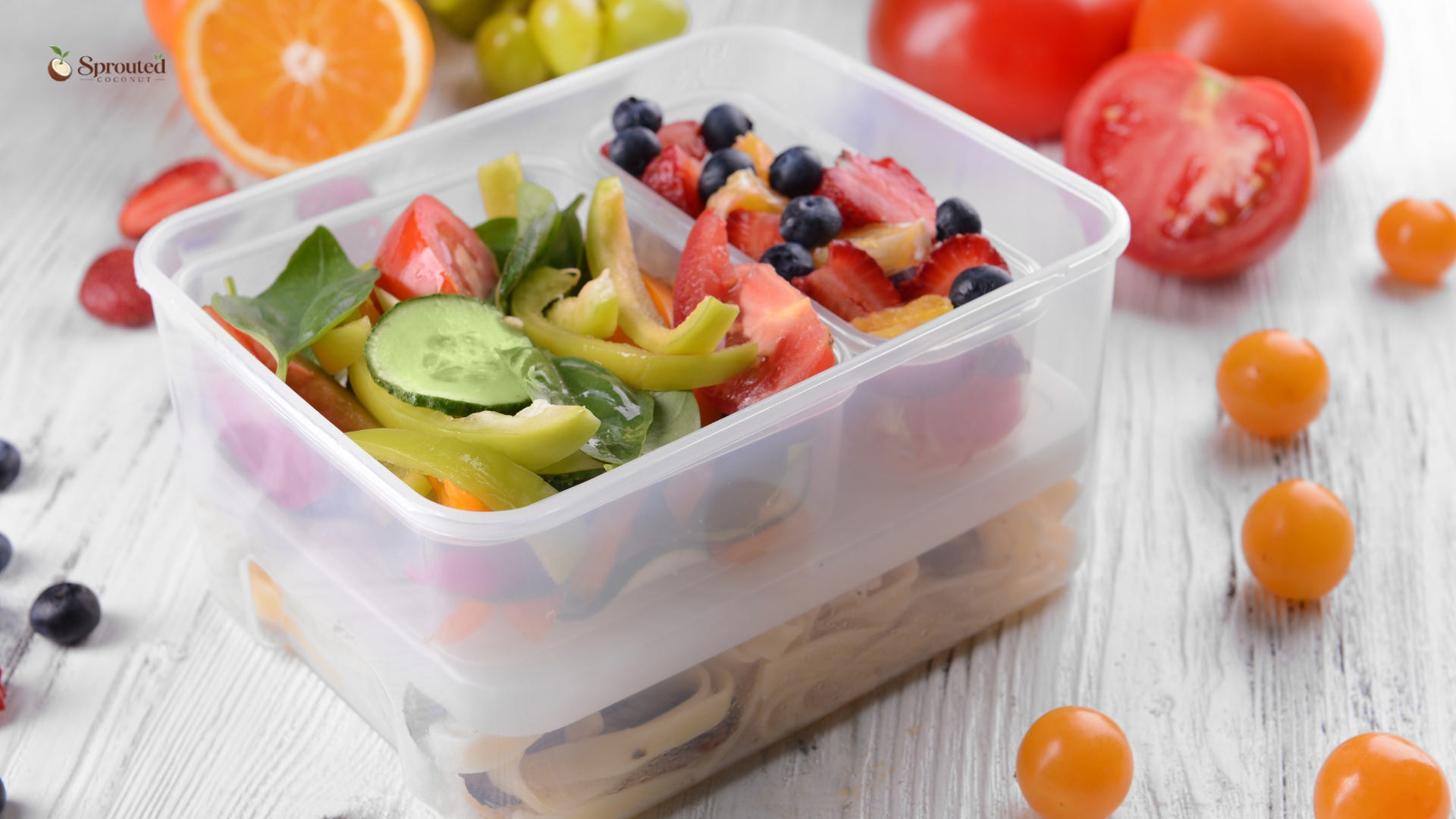
When someone searches for foods dense in protein, most protein dense foods, or magnesium dense food, they’re building a complete picture, not a single product story.
In 2026, sprouts are often treated as a foundational “functional fresh food” that can complement higher-calorie options (like calorie and nutrient dense foods) or balance meals that otherwise feel heavy. The goal is a routine that supports energy and daily intake, whether you’re aiming for nutrient dense foods for weight loss or for nutrient dense foods for weight gain.
How to think about nutrient density outcomes
Here’s a simple way to connect education to choice:
If you’re building toward fiber dense foods, look for sprout formats and add-ons that make it easy to eat consistently.
If you’re checking mineral intake, prioritize campaigns that explain minerals like potassium, magnesium, and phosphorus. Shoppers will often also connect to “calcium dense food” needs.
If you’re comparing calorie density, don’t just ask “foods that are calorie dense.” Ask what kind of nutrients the calories carry, because that’s what nutrient calorie dense foods usually means to consumers.
Even when sprouts are not the only focus, they often become the “daily anchor” because they’re easy to add to bowls, wraps, salads, and snack plates.
Best for education-driven shopping: how we explain what you get (nutrition, use, and expectations)
Consumer education demand is exactly why we structure information the way we do. On our site, we present the story and the practical details, because buyers want to know what’s in the box and how it fits their day.
we explain what a sprouts is, plus what our customers say and what customers ask most often. We want the same clarity people look for when evaluating 2026 campaign energy around sprouts as “nutrient-dense functional foods” (consumer education demand), even if the format is different.
And yes, we keep our promise in plain language, “Your Satisfaction, Our Mission.”
Concrete examples of “functional” nutrition education
For example, our pre-order product page includes clear nutrition talking points, including fiber support for digestion and fullness, plant-based fats for energy, and mineral content like magnesium dense food conversations.
To make it tangible, we also show multiple ways to purchase by tasting and box size.
Best for shoppers who want “functional fresh food” that fits real life
What makes sprouts compelling in 2026 is that education demand is paired with a lifestyle need. People want nutrient rich foods that don’t require a complicated routine, and they want to feel confident they’re choosing nutrient dense foods for weight loss or nutrient dense foods for weight gain depending on their goals.
That’s where “functional fresh food” framing lands. It gives people permission to make small upgrades with daily consistency, rather than waiting for a perfect diet moment.
How to build a sprout-friendly routine in 2026
Start with one meal. Add sprouts to a bowl, wrap, or sandwich, then keep it consistent for a week.
Pair with protein and calories when needed. If you’re seeking calorie dense foods for weight gain, pair sprouts with calorie and nutrient dense foods rather than eating them alone.
Balance with low calorie dense foods when cutting. If your goal is low calorie dense foods, pair sprouts with lean proteins and extra volume from vegetables.
Prioritize fiber dense foods across the day. Sprouts can support digestion, but your full day still matters.
This is also why consumer education campaigns in 2026 focus on practical prep and usage instructions. If a shopper can’t picture how to eat it, the nutrient-dense message never fully lands.
Did You Know?
58.3% market share held by organic variants of functional ingredients reflects the clean-label push consumers bring into 2026.
Best for shoppers who want to compare formats: sprouts vs other nutrient-dense functional options
Not every shopper wants the same path. Some want most nutritionally dense foods with a specific nutrient focus, others want most protein dense foods, and many want an easy, repeatable “add-on” that fits both busy weeks and goal-based eating.
That’s why campaigns in 2026 often compare how nutrient density shows up across calories and nutrients. People may ask for calorie dense foods or most calorically dense food, but they usually also want clarity on whether those calories come with nutrients, like magnesium dense food and calcium dense food conversations, plus fiber and supportive daily energy.
Quick comparison framework
Use this when you’re reading product education, including the kind of messaging behind 2026 campaign energy around sprouts as “nutrient-dense functional foods” (consumer education demand):
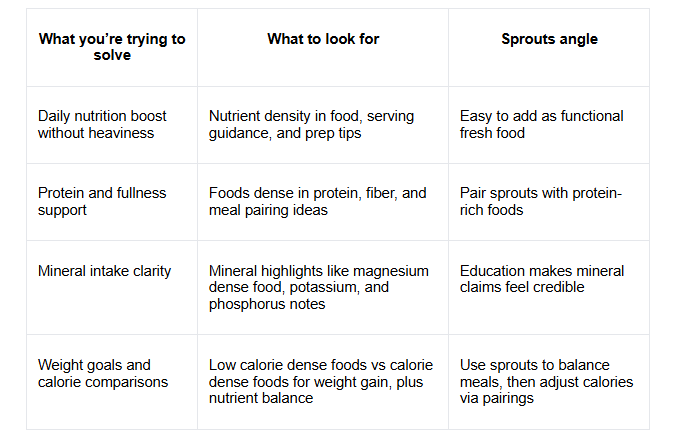
It’s the same mindset we use when we explain our sprouts format, because customers want to know what to expect and how to use it.
Best for customers who want support: ask questions before you commit
Education demand is strongest right before purchase. That’s why we keep a direct line open, so you can ask about orders, usage, and what to expect.
If you want to reach us, We’re here for support, order inquiries, and general information.
We also share updates so you can keep learning as the 2026 conversation evolves, “Sign up for our email list for updates, promotions, and more.”
And yes, we stick to our promise, Your Satisfaction, Our Mission.
Conclusion
2026 campaign energy around sprouts as “nutrient-dense functional foods” (consumer education demand) is driven by consumers who want clarity, not vibes. In 2026, the winning messages connect nutrient density in food to real routines, clear mineral and fiber expectations, and practical ways to pair sprouts for protein, energy, and weight goals.
If you’re building your next routine around sprout-based nutrition, use the education checklist above, ask questions before you commit, and remember our simple promise, Your Satisfaction, Our Mission.
Frequently Asked Questions
What does “nutrient-dense functional foods” mean in 2026?
In 2026, 2026 campaign energy around sprouts as “nutrient-dense functional foods” (consumer education demand) means consumers expect clear nutrient density in food, practical serving guidance, and functional benefits they can understand, like digestion support and daily energy. It is not just marketing language, it is a buying requirement.
Are sprouts considered nutrient rich foods for weight loss or weight gain in 2026?
Sprouts can fit both goals in 2026 because they are often used as functional fresh food to increase nutrient intake while balancing calories. The best results come from pairing them based on whether you need low calorie dense foods or calorie dense foods for weight gain.
How do I choose between nutrient dense foods and nutritionally dense foods for my routine?
Look for campaigns and products that explain nutrient density in food with specific, consistent serving guidance. For 2026 campaign energy around sprouts as “nutrient-dense functional foods” from www.sproutedcoconut.com (consumer education demand), the best choice is the one that helps you eat consistently and supports fiber dense foods and protein needs.
What are the most common nutrients people look for when buying sprouts in 2026?
Consumers often look for magnesium dense food and calcium dense food conversations, plus mineral clarity and fiber support. In the context of 2026 campaign energy around sprouts as “nutrient-dense functional foods” (consumer education demand), education helps people understand what they can reasonably expect per serving.
Do nutrient calorie dense foods mean the same thing as calorie dense foods?
No. In 2026, nutrient calorie dense foods are usually framed as calories paired with meaningful nutrients, which is why the 2026 campaign energy around sprouts as “nutrient-dense functional foods” (consumer education demand) keeps centering on education and outcomes, not just total calories.
Is it worth buying sprouted products if I already eat a balanced diet?
For many shoppers, the value in 2026 is convenience and consistency, not “fixing” a broken diet. When 2026 campaign energy around sprouts as “nutrient-dense functional foods” (consumer education demand) is done well, sprouted formats make it easier to hit nutrient-dense meals and fiber dense foods consistently.